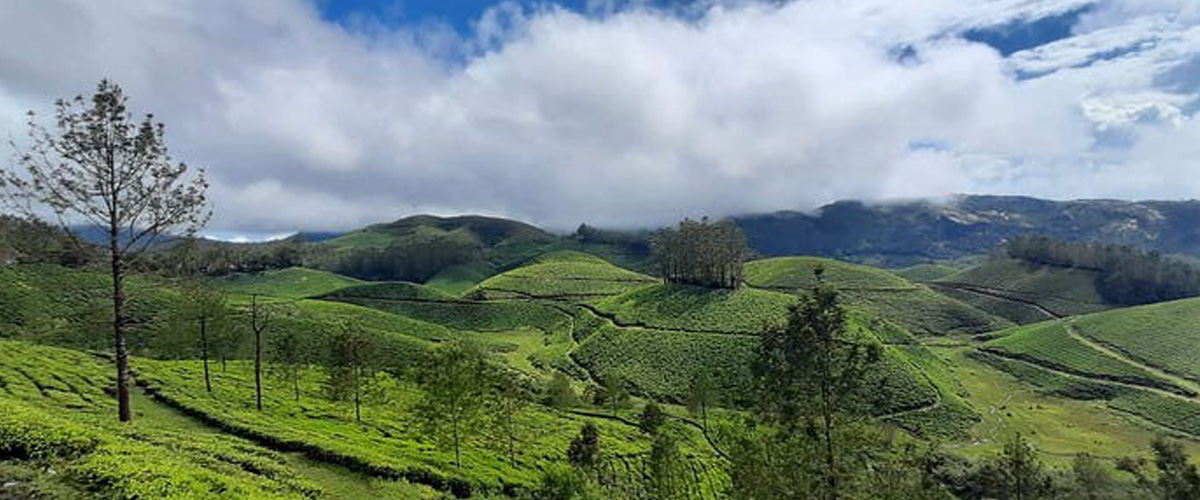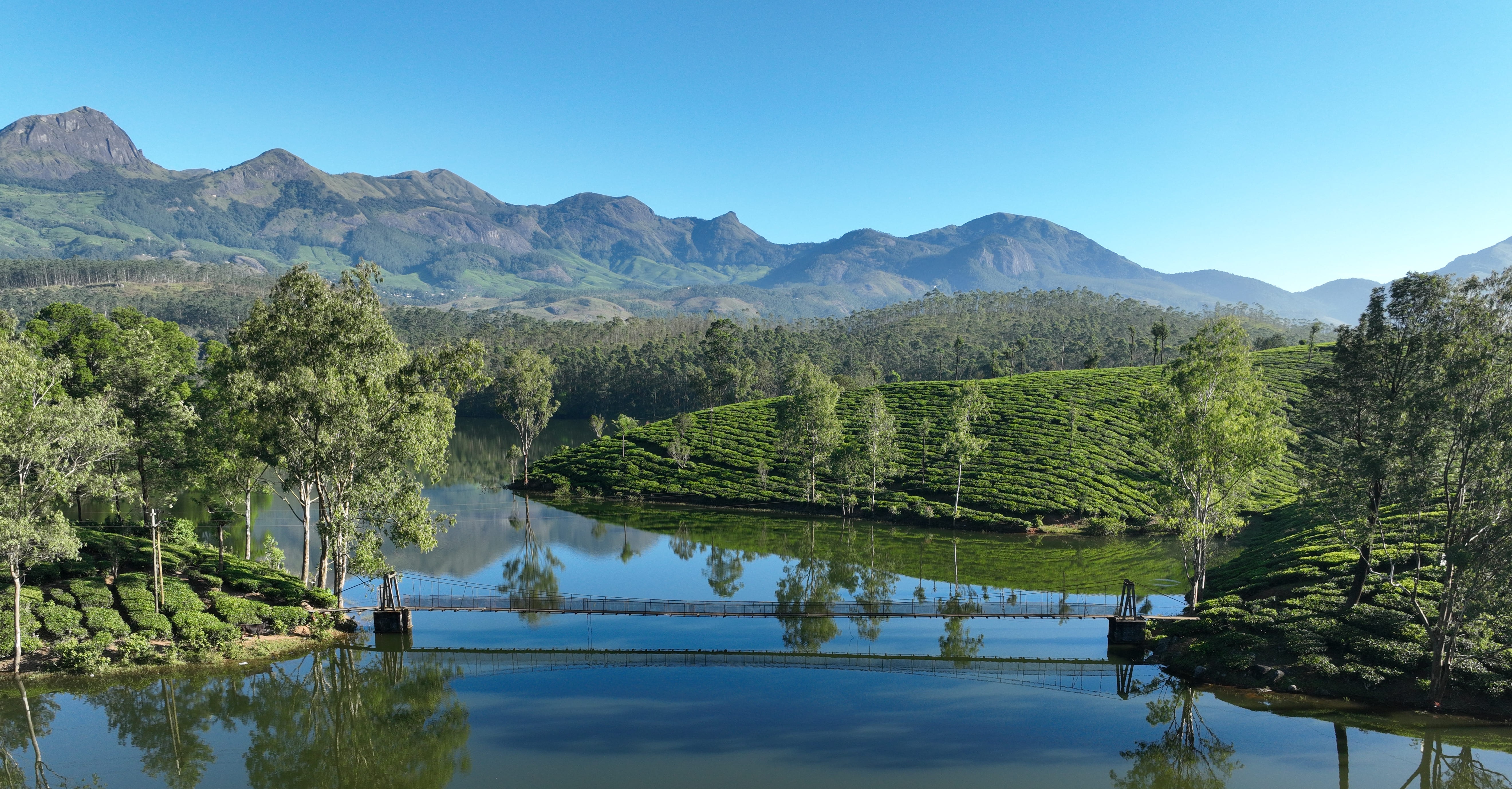
The mountains of Munnar and the Western Ghats are known for their breathtaking landscapes, tea plantations, and rich biodiversity. However, beyond the scenic beauty lies a deep cultural and ecological story shaped by indigenous communities and rare wildlife. Among them, the Muthuvan tribe and the Nilgiri Tahr stand out as symbols of the region’s heritage and ecological balance. For those planning to experience the Munnar attractions, diving into the Muthavans and the Nilgiri Tahr will surely be a rewarding experience.
Recent discussions around conservation have brought these two together again. The Tamil Nadu Forest Department’s Nilgiri Tahr Conservation Project plans to involve the Muthuvan tribe, recognizing their traditional knowledge and long-standing relationship with the forests of the Western Ghats. This collaboration highlights how indigenous communities and wildlife conservation can work together to protect fragile mountain ecosystems.
The Muthuvan tribe is one of the prominent indigenous communities living in the hill forests along the Kerala–Tamil Nadu border, particularly in the Western Ghats. Their history, culture, and lifestyle are closely intertwined with the forests and wildlife of the region.
Historical accounts suggest that the Muthuvans migrated to the Western Ghats around 300–400 years ago during the reign of the Madurai dynasty. According to tradition, when the dynasty collapsed, members of the royal family fled toward Travancore in central Kerala. The Muthuvans are believed to have carried the idols of Madurai Meenakshi, the royal family’s deity, on their backs during this migration. The name “Muthuvan” itself is often associated with this act of carrying sacred idols.
Today, the Muthuvans live in small settlements scattered across forested hill regions. Their lifestyle reflects a deep respect for nature, shaped by centuries of coexistence with wildlife.
The Muthuvan tribe has a distinctive social and cultural structure. They are divided into six matrilineal clans, known as “Koottams.” These include:
Each clan is further divided into lineages, creating a complex structure that governs marriage alliances, social hierarchy, and ancestry. These divisions ensure social harmony and continuity within the tribe.
Another unique aspect of their society is the “Kani System,” a traditional governance model. Under this system, each village is led by a Kani, who oversees administration, dispute resolution, and community welfare. This indigenous governance structure reflects the tribe’s strong sense of collective responsibility.
The Muthuvans are primarily animists and spirit worshippers, believing that the spirits of their ancestors were the first to inhabit the hill forests. Alongside ancestor worship, they also revere forest deities, reinforcing their spiritual connection to nature.

The Muthuvan tribe is widely respected for its traditional ecological knowledge, which has been passed down through generations. They have long practiced sustainable living in the forest ecosystem.
Agriculture remains their primary occupation, with crops such as ragi, cardamom, and lemongrass cultivated in the hill regions. Their farming practices are adapted to the mountain environment, ensuring minimal impact on surrounding forests.
Perhaps the most remarkable aspect of Muthuvan life is their ability to coexist with wildlife. Unlike many modern settlements that disrupt natural habitats, the Muthuvans maintain a balance with the surrounding ecosystem.
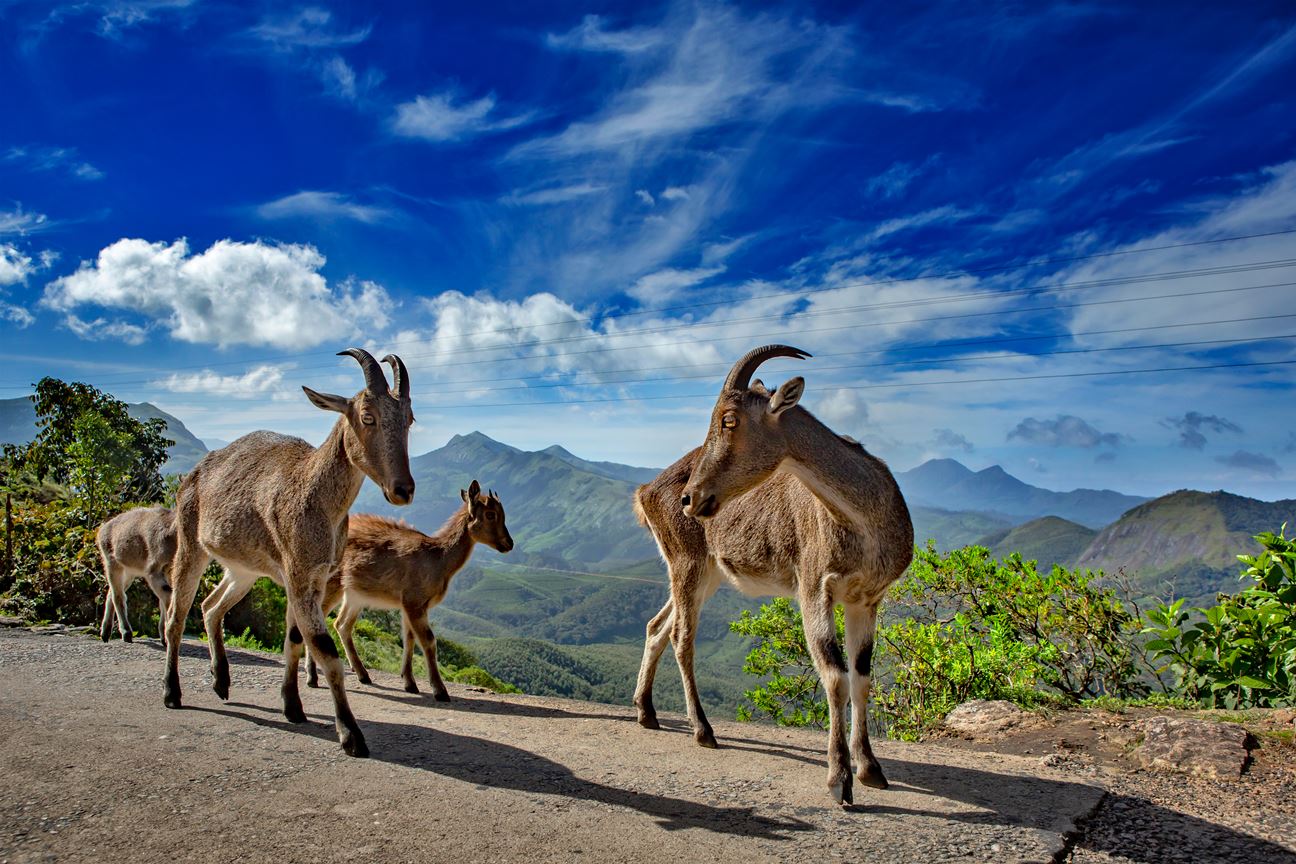
The Nilgiri Tahr is one of the most iconic animals of the Western Ghats. This rare mountain ungulate is endemic to the Nilgiri Hills and the southern portions of the Western and Eastern Ghats in Tamil Nadu and Kerala.
Recognized as the state animal of Tamil Nadu, the Nilgiri Tahr is uniquely adapted to the rugged terrain of high-altitude grasslands and cliffs. Despite its name, the species is more closely related to sheep of the genus Ovis than to ibex or wild goats.
The Nilgiri Tahr typically inhabits steep mountain slopes and grasslands at elevations ranging from 300 to 2,600 meters above sea level. These landscapes provide both grazing grounds and natural protection from predators.
Unfortunately, the species faces multiple threats. Habitat loss, invasive plant species, livestock grazing, poaching, and fragmentation of the landscape have significantly reduced its population.
Today, the Nilgiri Tahr is listed as Endangered on the IUCN Red List and receives the highest level of protection under Schedule I of the Wildlife Protection Act of India (1972).
Current estimates suggest that around 3,122 Nilgiri Tahrs remain in the wild, making conservation efforts critically important. [1]
To address the declining population of the species, the Tamil Nadu government launched the Nilgiri Tahr Conservation Project, a five-year initiative running from 2022 to 2027.
The project focuses on several key objectives:
Involving indigenous communities like the Muthuvan tribe in this project recognizes the importance of traditional ecological knowledge in modern conservation strategies.
One of the most significant habitats for the Nilgiri Tahr is Eravikulam National Park, located in the Idukki district of Kerala, close to Munnar.
The park hosts the largest population of Nilgiri Tahrs in the world, making it a vital center for conservation.
Eravikulam is also famous for another natural phenomenon: the Neelakurinji flower, which blooms once every 12 years, covering the hillsides in vibrant shades of blue. This rare bloom has become a major attraction for visitors to Munnar.
The park’s landscape is characterized by rolling grasslands interspersed with patches of shola forests, creating a unique ecosystem that supports a variety of wildlife.
Apart from the Nilgiri Tahr, the park is home to several other species, including:
This rich biodiversity highlights the ecological importance of the Western Ghats, which is recognized as one of the world’s biodiversity hotspots.
The inclusion of the Muthuvan tribe in conservation initiatives represents a broader shift toward community-based environmental protection.
Indigenous communities have lived in harmony with nature for centuries, developing practices that maintain ecological balance. By involving them in conservation programs, governments and environmental organizations can benefit from their knowledge while ensuring sustainable livelihoods.
For the Western Ghats, this partnership is particularly important. The region’s fragile ecosystems require careful stewardship, and communities like the Muthuvans have long demonstrated how humans and wildlife can coexist.
The story of the Muthuvan tribe and the Nilgiri Tahr reflects the deep relationship between people, wildlife, and landscapes in the Western Ghats.
In places like Munnar and Eravikulam National Park, these connections are visible in everyday life—whether in the traditions of indigenous communities or the sight of Nilgiri Tahrs grazing on steep mountain slopes.
As conservation efforts expand, protecting both cultural heritage and biodiversity will be essential. The involvement of indigenous communities offers hope that the delicate balance of the Western Ghats can be preserved for future generations.
For travelers exploring the mountains of Munnar, this story adds a deeper meaning to the experience. Beyond the scenic views lies a living heritage shaped by indigenous wisdom and the enduring presence of the Nilgiri Tahr, the true guardian of the highlands.
Visitors planning to explore the many experiences at Munnar, such as going to Eravikulam National Park and seeing the Nilgiri Tahr or getting to interact with the Muthuvan tribe, it is best to look for a comfortable accommodation nearby.
A Resort in Munnar offers an ideal base for travelers who want to explore the indigenous aspects of Munnar during the day and return to a relaxing environment in the evening. Additionally, some of these resorts even offer tribal dishes and cuisine.
Follow Us On


Drop your Queries
Adventure and Outdoor Activities
Attractions / Destination Guides
Culture and Cuisine
Travel Tips and Advice
Resort Facilities
Wellness and Ayurveda
Seasonal Highlights
Recent Post