The old Aluva to Munnar Road, also known as State Highway 16 (SH 16), is not just a modern route connecting two important towns in Kerala. It is a pathway steeped in history, weaving through the Western Ghats, offering travelers not only a scenic drive but also a glimpse into the region’s rich past. This 57.3-kilometer road, which stretches from Aluva to the northern outlet road of Munnar, takes you through lush landscapes, ancient monuments, and the remnants of a civilization that dates back thousands of years.
The story of the Aluva to Munnar Road begins in the 1890s, when the British began its reconstruction. However, the road itself has a much older tale to tell. Tracing its origins back to the Chera Era (300 BCE to 250 CE), the road was part of an ancient Royal Path that connected the historic port city of Musiris (modern-day Kodungallur) with the city of old Madurai. This route once served as a vital trade link, facilitating the transport of valuable goods like sandalwood, spices, and other commodities that were highly sought after by traders from across the globe.
The road was essential in establishing Kerala as a key player in ancient global trade, attracting merchants from regions as distant as Persia, Rome, China, and Arabia. Evidence suggests that Musiris, the port city that lay along this ancient trade route, played a significant role in early globalisation, long before the times of the Old Testament. The road also cut through the Western Ghats, home to some of the world's most valuable natural resources, making it not just a trade route but also an important lifeline for ancient civilization.
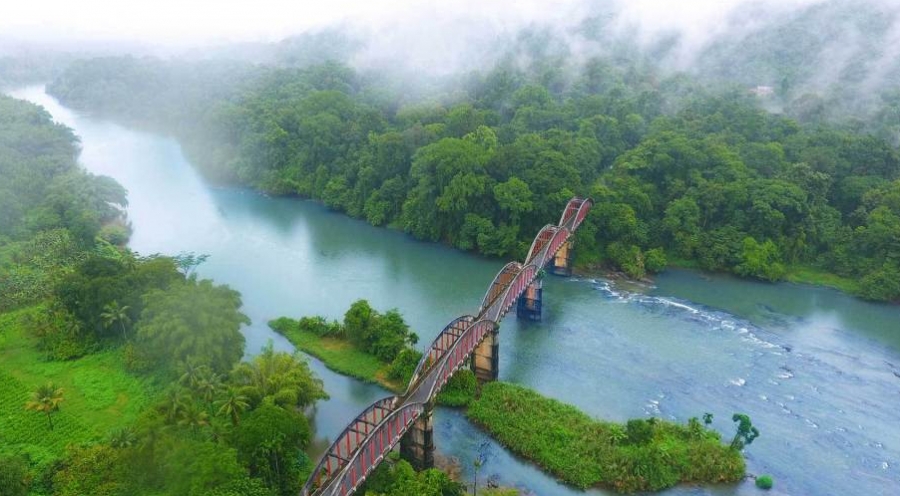
The Aluva to Munnar Road is a unique stretch that runs almost parallel to the Periyar and Pooyamkutty rivers. Unlike most roads that snake up steep slopes, this road has a gentle gradient of 1:10, making it easy to traverse. This gradual incline is one of the reasons why this road was chosen as a major trade route. The road passed through the Western Ghats, one of the world’s ten ecological hotspots, ensuring that it was not only a trade route but also a scenic journey for those who traveled along it.
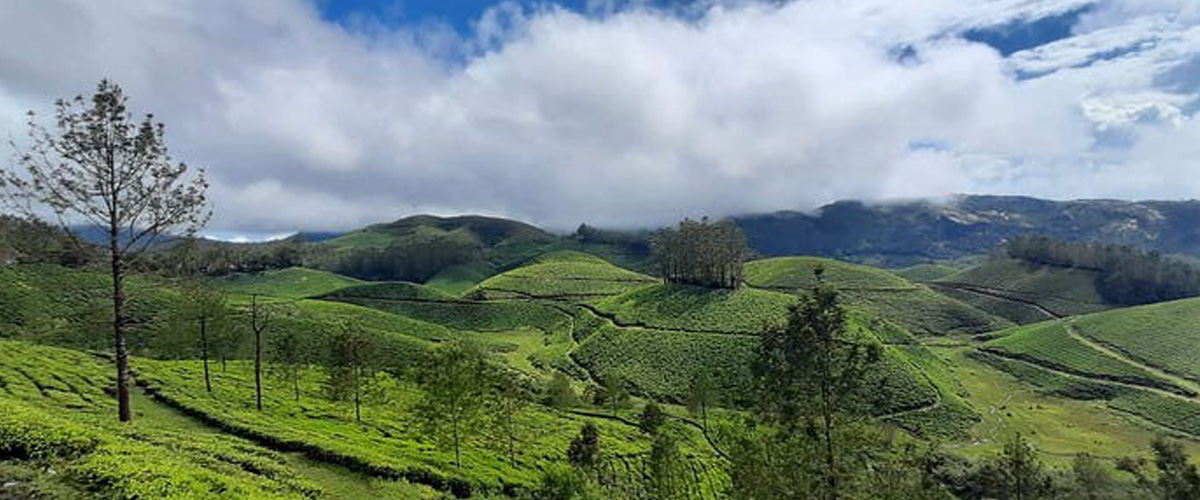
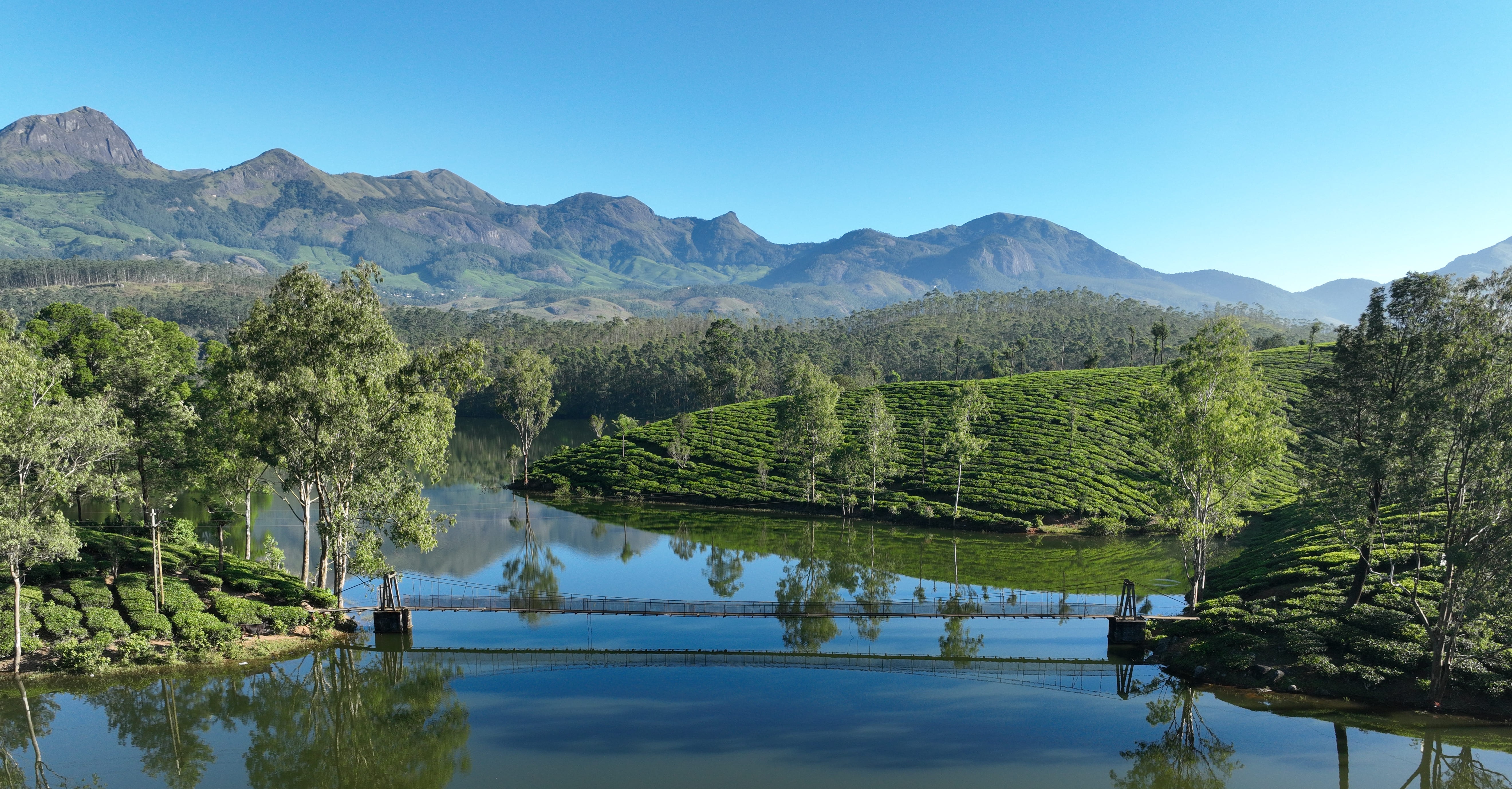
Today, the road takes travelers through a verdant landscape filled with tea plantations, mist-covered mountains, and picturesque villages. However, the road's ancient history still lingers, particularly when you pass by the many megaliths and historical monuments that dot the landscape. These remnants, including ancient forts, Nannangadis (circular stone structures), and Muniyaras (dolmens), point towards a civilization that thrived here over 3,000 years ago.
During its prime, the Aluva to Munnar Road was the backbone of Kerala’s economy, helping to transport valuable commodities like spices and sandalwood from the misty heights of the Western Ghats to Musiris, the bustling port city. The road helped establish Kerala as a major trade center, drawing the attention of traders from across the ancient world.
It was the trade of goods, especially spices, that made Kerala one of the richest regions during antiquity. The presence of foreign traders, including the Romans, Persians, and Arabs, has been well-documented, with evidence of their visits scattered across Kerala’s history. The road itself, built during the Chera Dynasty, became a vital link in the larger network of trade routes that stretched from the Indian subcontinent to Europe and beyond.
While the road's importance cannot be overstated, much of it has been lost to time. The Great Flood of 1354 is said to have drastically altered the course of the rivers and destroyed the city of Musiris, changing the natural contours of the land and making it difficult to trace the road in its entirety. The flood led to the formation of the Cochin Harbour, and over the centuries, the landscape continued to shift. As a result, much of the ancient road remains hidden under layers of soil and time, though its remnants can still be found.
Despite these changes, there is ample evidence of the road’s existence, including the various ancient monuments scattered across the region. The megalithic structures and dolmens along the route serve as a testament to the ancient civilization that once flourished here.

Today, the Aluva to Munnar Road is a major state highway, designated as State Highway 16 (SH 16). It connects Aluva, a town in Ernakulam District, with Munnar, a popular hill station located in Idukki District. The road traverses through towns and villages such as Ponjasseri, Kizhakkambalam, Mannoor, and Perumbavoor, before reaching the lush hill station of Munnar.
The road is an important transportation route for locals and tourists alike. It is well-maintained, making it accessible and convenient for travelers. The journey along the road is filled with stunning views of cascading waterfalls, rivers, and expansive tea plantations. The famous Cheeyappara Waterfalls and Deviyar Bridge along the route are some of the major highlights, offering great opportunities for photography.
The road also passes through several picturesque towns, such as Kothamangalam, Neriamangalam, and Adimali, where visitors can stop and enjoy the local culture and cuisine. The road eventually leads to the Pallivasal area, where one can marvel at the famous tea gardens, before reaching the heart of Munnar.
The Aluva to Munnar Road offers travelers more than just a scenic drive; it offers a chance to step back in time. As you travel along the route, you are essentially retracing the steps of ancient traders who once walked this road to transport precious goods. The remains of old forts, Nannangadis, and Muniyaras serve as reminders of the region’s rich history and the role this road played in the development of trade in ancient India.
The journey along the Aluva to Munnar Road is a journey through both nature and history, offering visitors a chance to connect with the past while enjoying the serene beauty of the present. Whether you are a history enthusiast, a nature lover, or simply someone looking for a scenic drive, the Aluva to Munnar Road has something to offer.
The best time to visit the Aluva to Munnar Road is from September to March, when the weather is cool and pleasant. The post-monsoon period ensures that the landscape is tender and vibrant making it perfect for seeing the other attractions in Munnar. The road’s gentle slopes and the stunning scenery make it a popular route for road trips and sightseeing tours.
As you embark on your historic journey along the Aluva to Munnar Road, there's no better place to pause and refresh than a Munnar resort.
There are several beautiful and themed resorts available a short distance away from the Aluva to Munnar Road. They are ideal for travelers heading to explore this historic route. After visiting landmarks such as the Cheeyappara Waterfalls or the remnants of ancient monuments along the road, come back to our resort for a cozy evening by the bonfire, or enjoy a rejuvenating Ayurvedic treatment to refresh your senses.
The Aluva to Munnar Road is not just a modern highway; it is a living testament to the region’s ancient past. From its origins as an important trade route during the Chera Dynasty to its present-day status as a major state highway, this road has witnessed the rise and fall of civilizations. As you drive along the road, you’re not just passing through a beautiful landscape, but also through centuries of history, trade, and culture. Whether you’re driving for adventure, history, or simply to enjoy the stunning views, the Aluva to Munnar Road promises an unforgettable journey.
Follow Us On


Drop your Queries
Adventure and Outdoor Activities
Attractions / Destination Guides
Culture and Cuisine
Travel Tips and Advice
Resort Facilities
Wellness and Ayurveda
Seasonal Highlights
Recent Post