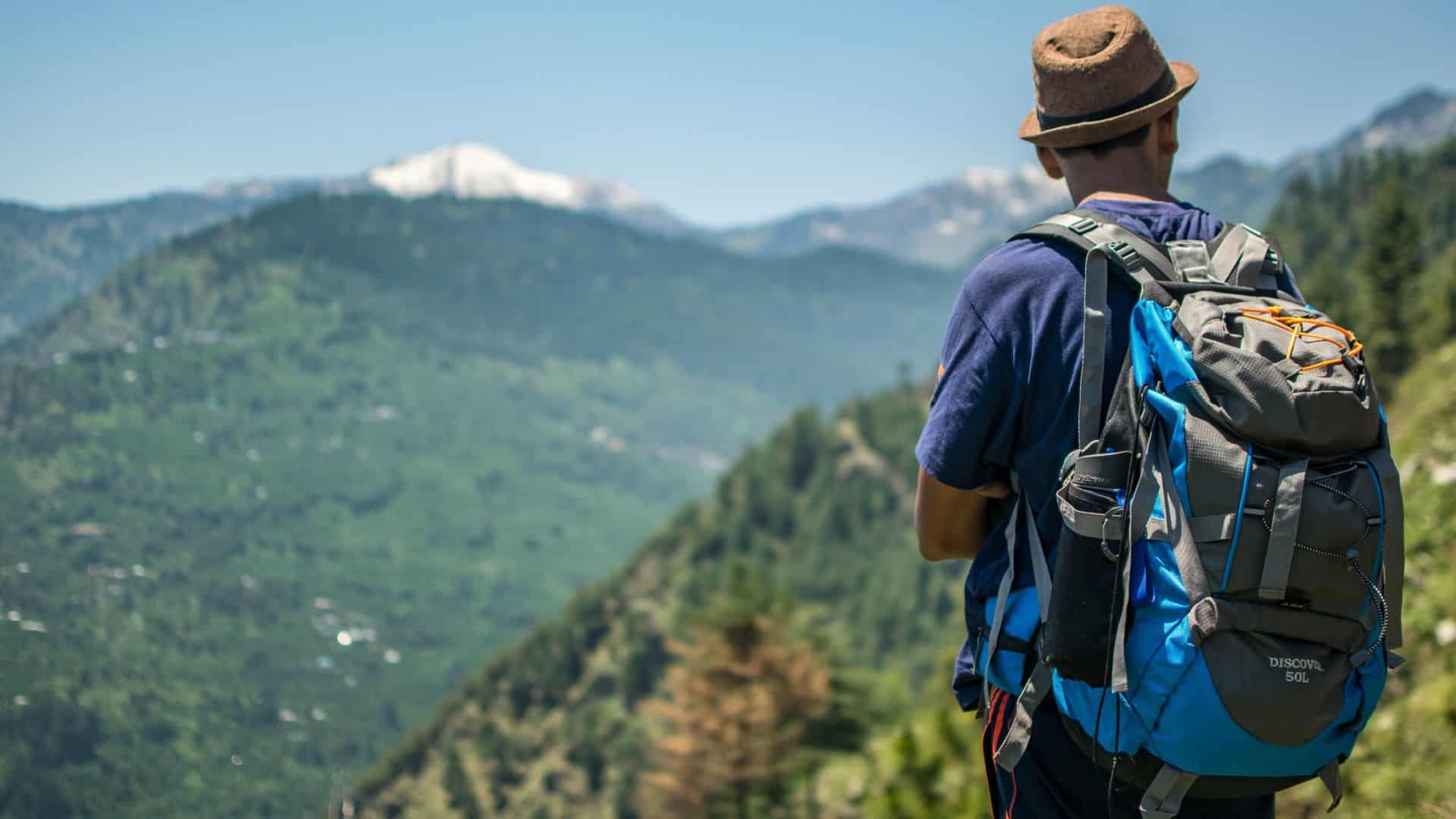
Imagine arriving in Munnar to find its familiar green mountains transformed into a seemingly endless landscape of blue and violet. This is the magic of Neelakurinji, a rare wildflower whose mass flowering is one of the most remarkable natural events in the Western Ghats.
Neelakurinji is famous for blooming once every 12 years. However, this does not mean that a visitor can see the flower only once in 12 years. Different populations grow in different parts of the Munnar hills, some following separate 12-year schedules. Other Kurinji species also have different flowering cycles, while a small number of Neelakurinji plants may flower sporadically between major seasons.
This explains why small or regional blooms can sometimes be seen in Munnar even when the next landscape-wide flowering is still years away.
Neelakurinji, scientifically known as Strobilanthes kunthiana, is a flowering shrub native to the high-altitude grasslands of the Western Ghats. It generally grows at elevations between approximately 1,500 and 2,500 metres.
The name combines two words:
Despite its name, the flower often appears in shades ranging from bluish violet and lavender to deep purple. A single Neelakurinji flower may look delicate and unassuming. Its true wonder becomes visible when thousands of plants bloom together, covering entire slopes in colour.
Neelakurinji is a monocarpic plant. It spends several years growing, flowers once, produces seeds and then dies. Those seeds begin a new generation that matures before repeating the flowering cycle.
Neelakurinji follows an unusual biological pattern called gregarious flowering. Plants belonging to the same population grow for several years and then flower together during a particular season.
For Strobilanthes kunthiana, this cycle usually takes 12 years. Following the mass bloom, the plants produce seeds and complete their life cycle. The newly germinated plants then need another 12 years to mature.
The spectacular scale of the event comes from this synchronization. Instead of a few scattered flowers appearing annually, a large population flowers simultaneously, turning entire grasslands blue and purple.
Other species belonging to the Kurinji group may follow different flowering intervals. According to Kerala Tourism, Kurinji species can have cycles ranging from annual flowering to intervals of several years. This is one reason reports of Kurinji blooms can emerge at different times and locations.
Yes, but an important distinction is necessary.
It is not scientifically accurate to assume that one new batch begins growing every year and automatically blooms exactly 12 years later. Instead, the Munnar landscape contains different populations of Neelakurinji, and these populations may not all share the same flowering calendar.
For example, the major Eravikulam population flowered in 2006 and 2018. A distinct population in the Mattupetty, Kannimala region recorded mass flowering in 1990, 2002 and 2014, creating a separate 12-year cycle. Kerala Tourism also notes that sporadic flowering of individual plants can occur in Munnar’s grasslands between mass-blooming events.
Therefore, visitors may encounter Neelakurinji in three ways:
These smaller blooms can be beautiful, but they should not be confused with the massive flowering that transforms entire mountain ranges.
The 12-year flowering cycle of Neelakurinji was first formally recorded in 1838. Since then, major flowering years associated with its principal cycle have included:
1838, 1850, 1862, 1874, 1886, 1898, 1910, 1922, 1934, 1946, 1958, 1970, 1982, 1994, 2006 and 2018.
The most recent major bloom across the famous Eravikulam–Rajamala landscape occurred in 2018. Following the established 12-year sequence, the next major flowering associated with this population is expected in 2030.
A separate population in the Mattupetty, Kannimala region has been recorded flowering in:
1990, 2002 and 2014, with its next cycle associated with 2026.
Flowering depends on local weather, habitat conditions and the health of individual plant populations. Travelers should therefore check current updates from the Kerala Forest Department and local tourism authorities before arranging a trip specifically to see the flowers.
Neelakurinji is far more than a tourism attraction. It has shaped the cultural imagination of the mountain communities of southern India for centuries.
In ancient Tamil tradition, land was classified into five ecological landscapes called tinai. Kurinji represented the mountainous landscape, a world of cool hills, forests, waterfalls, honey gatherers and secret meetings between lovers.
Classical Tamil poetry frequently connected the Kurinji landscape with love, longing, patience and reunion. The flower’s long-awaited appearance made it a particularly powerful symbol: something rare, beautiful and worth waiting for.
For communities familiar with the hills, the flowering cycle functioned as a kind of natural calendar. A person’s age or the interval between important events could be remembered through the number of Neelakurinji seasons witnessed.
To say that someone had seen several great blooms was also to speak of a life measured in long natural cycles rather than ordinary years.
Neelakurinji is closely connected with the popular explanation for the name Nilgiris, meaning “Blue Mountains.” When large populations flower together, distant hills appear to have a bluish or purple covering.
Although the flower is now most closely associated with Munnar, its natural habitat extends through parts of the Nilgiri, Anamalai and Palani hill ranges.
The flower’s cultural appeal comes partly from its rarity. It grows silently for years before covering the hills in colour for a short period. After flowering, the plant dies—but not before leaving seeds for the next generation.
Neelakurinji therefore represents more than beauty. It has become a symbol of:

Neelakurinji grows naturally in high-altitude shola-grassland ecosystems rather than throughout Munnar town. Its visibility changes with the population flowering in a particular year.
1. Eravikulam National Park and Rajamala
Eravikulam National Park is the best-known place associated with the major Neelakurinji bloom. Its elevated grasslands provide suitable conditions for extensive populations of the flower.
Rajamala, the park’s principal visitor zone, is one of the most accessible places from which travelers can experience this landscape. The park is also an important habitat for the endangered Nilgiri tahr.
2. Mattupetty and Kannimala
The Mattupetty–Kannimala belt is particularly important because it contains a distinct Neelakurinji population following an alternate 12-year schedule. Its recorded mass-flowering years include 1990, 2002 and 2014.
This alternate cycle demonstrates why different areas of Munnar may report flowering in different years.
3. Top Station
Top Station is one of the most scenic high-altitude viewpoints near Munnar. During suitable flowering seasons, its surrounding hills and valleys can offer striking views of Kurinji-covered slopes.
Its elevation and panoramic outlook make it one of the region’s most recognised Neelakurinji-viewing areas.
4. Koviloor and Vattavada
The high-altitude landscapes around Koviloor and Vattavada contain grasslands and mountain environments where Neelakurinji flowering has been reported. These areas are quieter than central Munnar and are valued for their farming landscapes, cool climate and expansive views.
5. Areas around the Munnar–Kodaikanal Highlands
Neelakurinji habitat extends across the wider high ranges rather than following modern tourism boundaries. Suitable populations may occur along protected grasslands and slopes toward the Kerala–Tamil Nadu border.
Access to some areas may be regulated because the plants grow in ecologically sensitive habitats.
The exact flowering period varies with rainfall, elevation and local conditions. The main viewing season generally falls between July and October, although flowers may remain visible later in certain locations.
Peak colour does not last throughout the entire season. A slope that appears purple one week may look different after heavy rain or once the flowers begin producing seeds.
Before travelling, visitors should confirm:
Neelakurinji cannot survive without its native shola-grassland habitat. Unregulated construction, invasive plants, grassland conversion, fires, littering and careless tourism can damage both mature shrubs and newly deposited seeds.
Visitors can help protect the landscape by following a few simple rules:
The flowers may remain visible for only a few weeks, but the plants and seeds require protection throughout their 12-year journey.
When did Neelakurinji last bloom in Munnar?
The last major mass flowering associated with the principal Eravikulam population occurred in 2018.
When will the next major Neelakurinji bloom occur?
The next major bloom following the 2018 Eravikulam cycle is expected in 2030. However, separate populations and other Kurinji species may flower in different years.
Is Neelakurinji blooming in Munnar every year?
A landscape-wide Neelakurinji bloom does not occur annually. Small, sporadic flowering may appear in some areas, while distinct populations can follow separate cycles.
Where is the best place to see Neelakurinji in Munnar?
Eravikulam National Park and Rajamala are the most famous locations. Top Station, Mattupetty, Kannimala, Koviloor and the Vattavada region may also offer viewing opportunities, depending on the flowering population and year.
What colour is Neelakurinji?
Its colour ranges from blue and bluish violet to lavender and purple. Large flowering populations can give an entire mountain slope a blue-purple appearance.
Why does Neelakurinji die after flowering?
Neelakurinji is monocarpic. It flowers once, produces seeds and then completes its life cycle. The seeds create the next generation of plants.
Can visitors pluck Neelakurinji flowers?
No. Visitors should not pluck, uproot or step on the plants. Neelakurinji grows in fragile and often protected mountain ecosystems.
Neelakurinji changes the way we think about a flowering season. Most flowers return with the same month each year; Neelakurinji measures time in decades.
Its story is written across ancient poetry, community memory and the misty grasslands of Munnar. Even outside a major blooming year, learning about its life cycle makes the landscape more meaningful. The green slopes are not empty—they may be quietly nurturing a generation of plants preparing for a future season of blue.
Follow Us On


Drop your Queries
Adventure and Outdoor Activities
Attractions / Destination Guides
Culture and Cuisine
Travel Tips and Advice
Resort Facilities
Wellness and Ayurveda
Seasonal Highlights
Recent Post